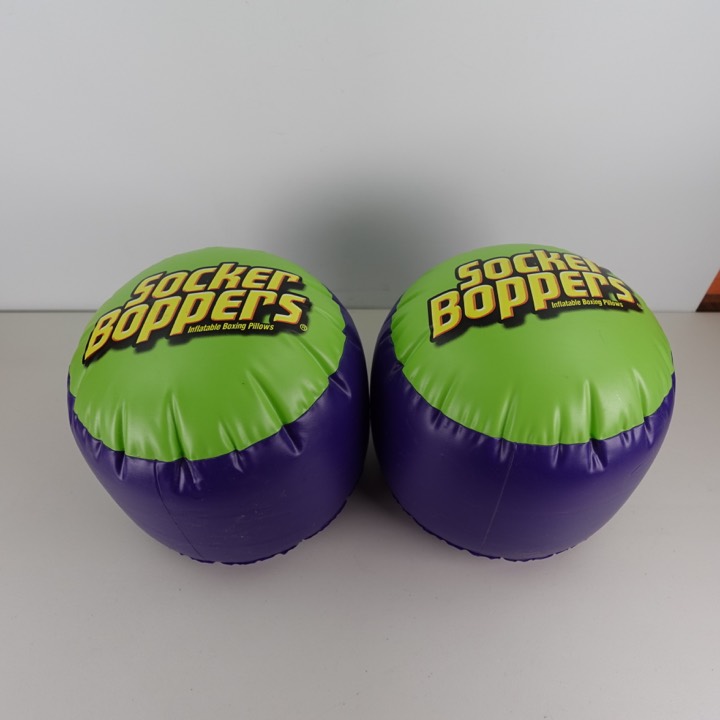
 01 · Socker Boppers
A pair photographed inflated and deflated. The model must count two pillows once and avoid claiming they hold air.
 Lakeview Listerfor eBay sellers
Early results · five items
We gave every setting the same 25 photos, then compared draft quality, time, and estimated AI cost.
Loading results…
The test items
01 · Socker BoppersA pair photographed inflated and deflated. The model must count two pillows once and avoid claiming they hold air.
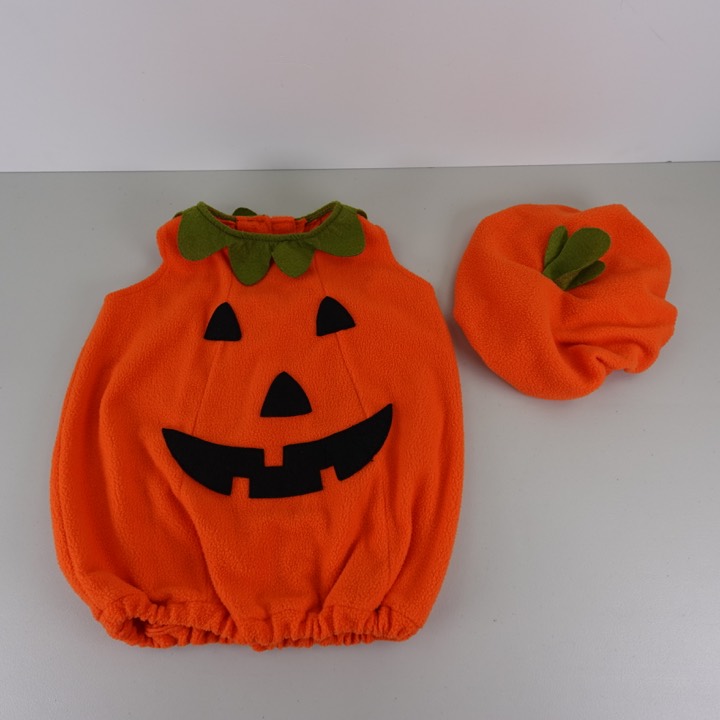 02 · Pumpkin costume
A Pottery Barn Kids 6–12 month body and matching hat. Brand, size, and both pieces matter.
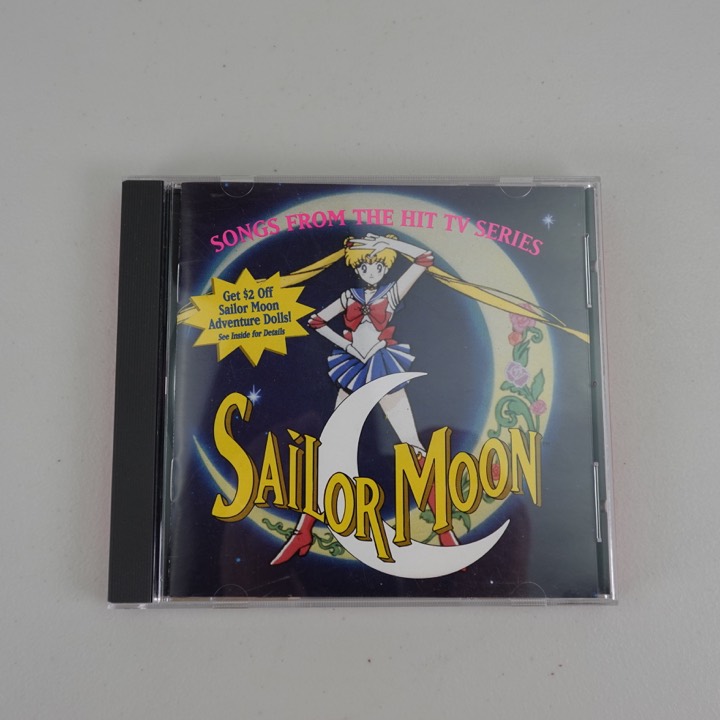 03 · Sailor Moon CD
An audio CD with a promotional-use mark on its insert. The photos cannot establish playback or disc-surface grade.
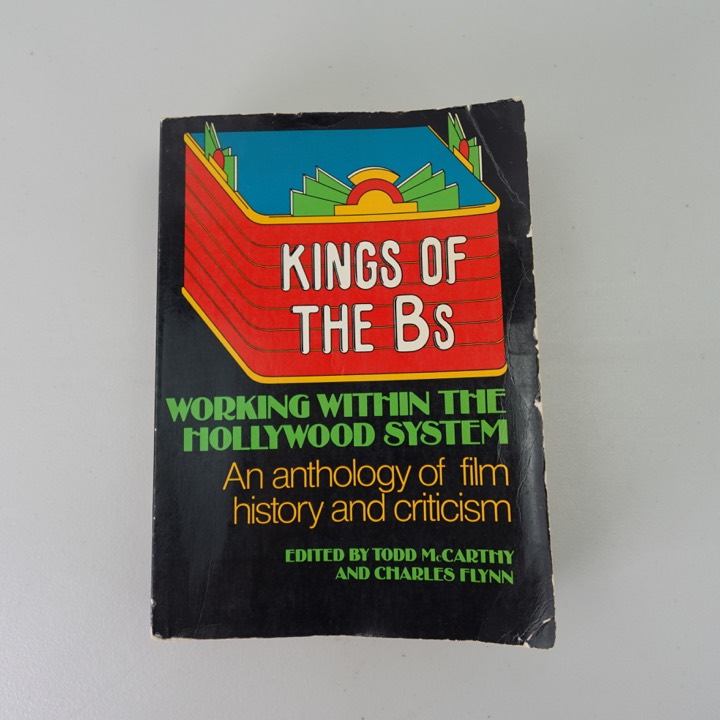 04 · Kings of the Bs
A worn 1975 Dutton first-edition paperback. The paperback ISBN must not be confused with the cloth edition.
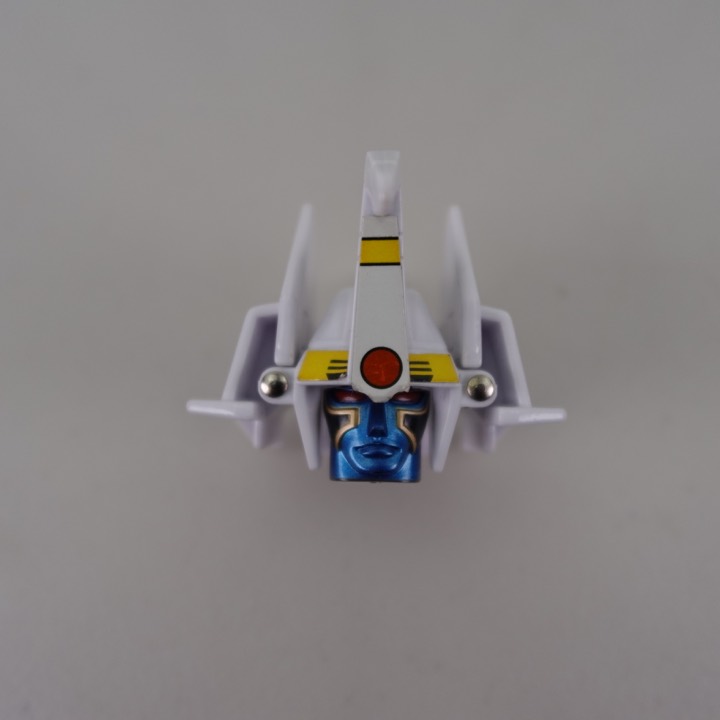 05 · Megazord crane head
A loose Power Rangers Shogun Megazord head/helmet piece, not a complete robot. We knew it was a crane head when scoring the listings, but did not tell the models.
One photo of each item is shown here. Every setting used all 25 photos.
Highlights
Observations from five items, grouped by estimated AI cost per listing. Different reasoning settings can move the same model between price bands.
01 · Low cost · Up to about 3¢
Low-cost settings make large batches affordable. Gemini 3.5 Flash-Lite Minimal combined 78.5 points with drafts costing under 1¢. MiniMax M3.1 Flash scored 79 at 1.4¢ (High) and 83.5 at 2.4¢ (Maximum), making it another strong budget option. GLM-5.3-FlashX Maximum also stood out at 81.5 for about 3¢. These settings offer inexpensive starting drafts, with seller review still needed.
02 · Mid tier · About 5¢–20¢
This range offered strong average scores without premium prices. GPT-6.1 Terra scored 84–88.5 across its settings at roughly 6–8¢. GPT-6.1 Sol Low scored 85.5 at 11.4¢, and Kimi K3.1 Pro High 85 at 16.3¢. Gemini 4 Argon Medium was another value option at 81.5 for 6.7¢. These are useful candidates when stronger draft coverage matters more than the lowest possible cost.
03 · High cost · About 30¢–$1+
Costs stretched from around 30¢ to just over $1 per item. Muse Wonder 1.0 High led at 92 for 32¢, while GPT-6 Astra Low scored 89.5 at 57¢. Claude Fable 5.1 Maximum cost $1.06 and scored 78.5. The strongest premium settings merit consideration for difficult or valuable items, but paying more did not reliably buy better results.
04 · Effort analysis
More effort sometimes improved coverage, but often added cost and delay without improving scores. MiniMax M3.1 Flash rose from 79 at High to 83.5 at Maximum, taking 72 versus 217 seconds per item. Sonnet 5.5 fell from 80.5 at Medium to 69 at Maximum, while time grew from 46 to 254 seconds. Maximum effort was not a dependable default.
Results
Draft scores are out of 100. “No draft” means no listing was delivered; that failed attempt contributes zero only to the five-attempt average. Completed drafts shows how many attempts returned a full draft. Costs and times are averages per attempted item, including failures. Select any column heading to sort; select it again to reverse the order.Use Sort by and the direction button to arrange the results.
Results for older models remain in the table. “In current app build” shows which model and reasoning settings are selectable in the current internal build. Public beta distribution remains paused.
Show models
Scroll sideways to see all five item scores.
| Loading results… | |||||||||||||
What the numbers mean
Every setting used the same five items and 25 photos, in Fast mode with standard-length descriptions, no seller notes, and no preset category. Tests spanned several app builds. The October 15 follow-up used build 70 and applied the selected reasoning level at every AI stage. The October 26 follow-up used internal native Mac build 72, with the selected reasoning level applied at every AI stage. Its catalog added Kimi K3.1 Pro, Kimi K3.1 Pro Highspeed, and MiniMax-M3.1-Flash while retaining Kimi K3 and MiniMax-M3. The October 30 Terra follow-up used internal native Mac build 74, with the selected reasoning level applied at every AI stage. The current internal catalog is build 76; K3.1 Pro replaces K3, whose results remain historical. Public beta distribution remains paused.
A completed listing could earn 100 points: correct item (25), key details (20), what is included (15), condition (15), category (10), writing (5), and avoiding unsupported claims (10). Delivered content can earn zero points. An absent draft has no observed quality score and is shown as “No draft.” To include all five attempts in the average, an absent draft contributes zero to that calculation only. Company and model names are hidden for initial scoring; final consistency checks may use identified records. “Important fixes” counts wrong or unsupported details a seller would need to correct. Separately, Ready / Not Ready checks whether a draft has eBay-required listing fields; it does not change the 100-point quality score.
Average time is the sum of item times divided by the number attempted, including failures. Fast mode processes multiple items at once, so this is not the time it takes to finish a batch. The app can reduce concurrency when memory is tight; during the October 15 Muse Wonder Extra High run, it limited processing to two items at once. On October 26, memory pressure limited processing to two item groups at once from the third follow-up run onward, starting with MiniMax-M3.1-Flash Maximum. On October 30, the initial Terra High and None runs processed up to three item groups at once. Memory pressure limited the subsequent Medium, Low and Extra High runs to two. Timings include those host conditions and are not controlled provider-speed benchmarks. Average cost uses the same five attempts. Missing billing data is shown as Unknown, or as a partial estimate when a recorded subtotal is available. A partial per-item cost divides the known subtotal by all five attempts; unreported usage can add to it. A failed request with no reported usage is not confirmed free. Costs are estimates, not provider bills. Kimi K3 costs were calculated from recorded tokens using Moonshot’s published K3 rates and five-minute cache pricing, checked September 23, 2026. The October 26 Kimi K3.1 Pro and Highspeed costs use their model-specific rates and the default five-minute cache-write pricing, checked October 26, 2026. Terra estimates use OpenAI’s published standard pricing, checked October 30, 2026.
Kimi K3.1 Pro Highspeed High and Maximum were repeated on October 30 after provider overloads. The table shows the first repeat at each setting; the original runs completed 0/5 and 2/5 drafts. Five chosen items and one displayed attempt per setting are too few to establish which model is best overall. Settings tested on different app builds provide directional comparisons because the app and providers changed over time. Live eBay retrieval can also return different information between runs. Results may change with other products, new model versions, or app updates. AI helped us build the answer key and score the listings, so judgment may still be biased even when model names are hidden during initial scoring.